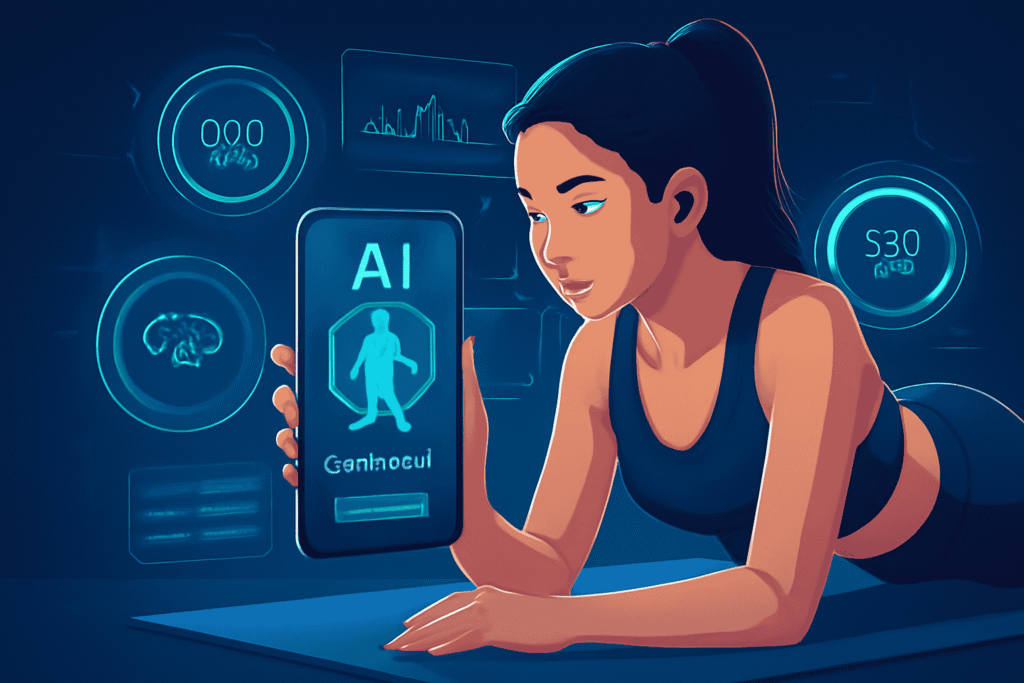
AI-Powered Workout Plans: Revolutionizing Fitness for the Modern World
In recent years, artificial intelligence (AI) has disrupted industries across the globe, transforming everything from healthcare to entertainment. Among the most exciting advancements is AI-powered workout plans in the fitness industry. With a growing demand for personalized workout routines, AI is stepping in to deliver customized fitness solutions that adapt to an individual’s fitness goals, current levels, and preferences. The global fitness app market is estimated to grow by $55.86 billion from 2024 to 2028, driven by health management and rising chronic disease cases. Fitness enthusiasts today no longer need to settle for one-size-fits-all training programs. With AI, fitness plans can be tailored specifically to the user, ensuring an optimal training experience and faster progress. In this article, we’ll explore how AI-driven fitness apps are reshaping the future of fitness training, the numerous benefits of personalized workout plans, and how AI technology is revolutionizing health and wellness practices. What Are AI-Powered Workout Plans? AI-powered workout plans use machine learning algorithms to analyze a user’s data and create a personalized fitness routine. This data can include details such as: Age Gender Fitness level Health status Available workout equipment Specific fitness goals (e.g., weight loss, muscle gain, or improving endurance) The AI system continually analyzes the data, making necessary adjustments to the workout plan as the user progresses. For example, if a user starts lifting heavier weights or running longer distances, the AI will adapt the plan to ensure the workout remains challenging and effective. In essence, AI-powered workout plans take fitness personalization to the next level by using data-driven insights to cater to each individual’s needs, resulting in an optimized training experience. These personalized plans are available through fitness apps, wearable devices, or smart gym equipment. Some of the top AI-driven platforms use sophisticated algorithms to ensure that the workout plans are not only efficient but also time-effective. Thanks to these advances in AI, fitness enthusiasts have access to training methods that were once exclusive to professional athletes. Benefits of AI in Fitness Approximately 78% of personal trainers are utilizing AI to create customized workout plans, enhancing client engagement and results. AI is transforming the fitness industry by offering a wide range of benefits. From personalized workout plans to real-time adjustments, here’s a closer look at how AI is changing the way we approach fitness. 1. Tailored to Your Unique Needs One of the most significant advantages of AI-powered workout plans is their ability to tailor workouts to an individual’s unique needs. Traditional, one-size-fits-all fitness programs may not take into account your personal fitness level, body type, strengths, weaknesses, injuries, or preferences. However, AI algorithms use data to create workout routines that align with a person’s fitness goals. Whether you’re a beginner looking to shed a few pounds or an elite athlete training for a competition, AI-powered fitness apps adjust the workout plan based on your current fitness level and resources. This personalized approach reduces the risk of overtraining and undertraining, ensuring you make steady progress toward your fitness goals. For example, a user trying to gain muscle mass will receive strength-focused exercises, whereas someone looking to improve cardiovascular health will be given endurance-based activities. This level of personalization not only improves efficiency but also helps avoid the common mistake of following a generic workout plan that doesn’t suit your body or goals. 2. Real-Time Adaptation and Progress Monitoring AI-powered fitness plans are dynamic. As the user progresses, the AI constantly analyzes performance data and adjusts the workout routine accordingly. This ensures that users are consistently challenged and continue to make progress. The system monitors a range of metrics such as: Heart rate Calories burned Exercise form Muscle groups targeted Reps and sets completed For example, if a user begins increasing the number of repetitions or the amount of weight they’re lifting, the AI will make real-time changes to ensure they’re still being appropriately challenged. Similarly, if a user is experiencing a plateau or is struggling with a particular exercise, the AI will modify the workout plan to either intensify or ease up on specific exercises. This adaptability makes AI-powered fitness apps more effective than traditional workout routines, which may not take progress into account. The real-time feedback also allows users to fine-tune their exercises and maximize results, avoiding the dreaded stagnation many experience in their fitness journeys. 3. Time Efficiency In today’s fast-paced world, time is a valuable resource. Many individuals struggle to find the time for long, grueling workouts, and as a result, they often skip sessions. AI-powered fitness apps understand this and are designed to deliver maximum results in the shortest time possible. AI-driven workout plans suggest time-efficient exercises such as: High-Intensity Interval Training (HIIT) Circuit training Bodyweight exercises These types of workouts target multiple muscle groups simultaneously, allowing users to get the most out of a limited amount of time. AI algorithms also take into account how much time a user has available for exercise. For instance, if you only have 20 minutes, the AI will tailor the workout to fit that timeframe without compromising on effectiveness. 4. Accessibility and Affordability Traditionally, personalized fitness plans required a one-on-one session with a personal trainer, which could be expensive and difficult to schedule. With the advent of AI-powered fitness apps, personalized fitness training is now accessible to anyone with a smartphone or wearable device. Platforms like Peloton, Freeletics, and Jefit offer affordable subscription plans for users to access personalized workouts, eliminating the need for pricey gym memberships or personal trainers. This accessibility is helping to democratize fitness, making personalized training available to people from all walks of life. Furthermore, as AI systems are designed to work with a variety of devices—smartphones, wearables, and even smart gym equipment—users are not limited to traditional gym settings. Whether you’re at home, at the gym, or on the go, AI fitness apps ensure you can access personalized training anytime, anywhere. 5. Data-Driven Insights AI systems excel in data collection and analysis. As users progress through their fitness routines, the AI collects detailed
AI-Powered Workout Plans: Revolutionizing Fitness for the Modern World Read Post »