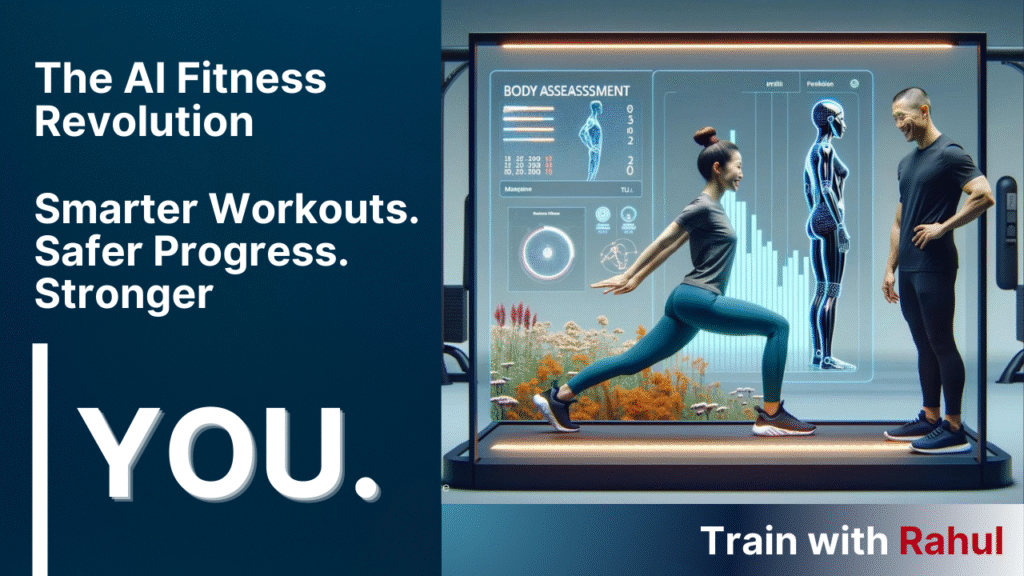
The AI Fitness Revolution: How Machine Learning is Redefining Personal Training
The Dawn of Intelligent Fitness: Beyond Traditional Training Imagine walking into your home gym and having an invisible coach that knows your exact energy levels, predicts your risk of injury, and adjusts your workout intensity before you even pick up a weight. This isn’t science fiction—it’s the AI fitness revolution happening right now. Traditional fitness approaches follow rigid templates: chest on Monday, legs on Wednesday, cardio on Friday. But your body doesn’t operate on a calendar. Some days you’re energized and ready to push limits; other days, your nervous system needs recovery. Artificial Intelligence in fitness recognizes this biological reality and creates dynamic, responsive training experiences. At the intersection of technology and human performance, we’re witnessing the emergence of smart fitness ecosystems that don’t just count reps—they understand your physiology, psychology, and long-term health trajectory. The Science Behind AI-Powered Fitness Transformation Modern fitness AI operates on multiple layers of sophistication that go far beyond simple calorie counting or step tracking. Biometric Intelligence and Real-Time Adaptation Advanced AI workout systems now integrate with wearable technology to monitor: Heart Rate Variability (HRV): Determining your autonomic nervous system’s readiness for intense training Sleep Quality Metrics: Understanding recovery patterns that influence workout capacity Movement Pattern Analysis: Using computer vision to assess form and prevent injury Metabolic Efficiency: Tracking how your body responds to different exercise intensities This creates a personalized fitness algorithm that learns from every workout session, meal, and recovery period. Predictive Health Analytics Unlike static workout plans, machine learning fitness programs can predict: When you’re likely to plateau and need program modifications Your optimal training frequency based on recovery patterns Potential injury risks from movement compensations The most effective exercise combinations for your body type and goals This predictive capability transforms fitness from reactive to proactive health management. Revolutionary Features of Modern AI Fitness Platforms The latest generation of intelligent workout applications incorporates breakthrough technologies that were impossible just five years ago. Computer Vision Form Correction Advanced AI personal training apps now use your smartphone camera to provide real-time form feedback. The system analyzes: Joint angles and movement planes Tempo and range of motion Symmetry between left and right sides Exercise execution quality scores This technology essentially puts a biomechanics expert in your pocket, providing instant corrections that prevent injury and maximize muscle activation. Adaptive Program Architecture Traditional programs follow linear progression—add weight each week regardless of how you feel. Smart fitness AI creates non-linear, responsive progressions that consider: Your stress levels from work and life Hormonal fluctuations affecting strength and energy Previous workout performance and recovery metrics Long-term periodization for peak performance timing Nutritional Synchronization Advanced platforms don’t just plan workouts—they coordinate your entire health ecosystem. AI-driven fitness coaching includes: Pre-workout nutrition timing based on your metabolic profile Post-workout recovery meal suggestions aligned with your training goals Hydration strategies customized to your sweat rate and climate Supplement protocols based on your training phase and deficiencies The Psychology of AI-Enhanced Motivation One of the most overlooked aspects of fitness technology is its psychological impact. Intelligent fitness platforms are becoming sophisticated motivational tools. Behavioral Pattern Recognition Advanced AI systems identify your motivation patterns: Times of day when you’re most likely to skip workouts Environmental factors that influence your exercise consistency Social triggers that either support or sabotage your fitness goals Stress patterns that affect your training motivation Personalized Reward Systems Rather than generic badges and streaks, machine learning personal trainers create customized motivation strategies: Achievement systems based on your personality type Social challenges matched to your competitive nature Progress visualization methods that resonate with your learning style Micro-goals that align with your psychological preferences Integration with Professional Coaching: The Hybrid Approach The future of fitness isn’t AI replacing human trainers—it’s augmented coaching where technology amplifies human expertise. Data-Enhanced Human Connection Professional trainers using AI fitness analytics can: Spend more time on motivation and technique refinement Make evidence-based program adjustments using comprehensive data Identify subtle patterns that might indicate overtraining or life stress Provide more targeted advice based on objective performance metrics Remote Coaching Revolution Online personal training with AI support creates unprecedented opportunities: Real-time form feedback during virtual sessions Continuous monitoring between coaching calls Objective progress tracking that informs coaching decisions Scalable expertise that makes quality coaching more accessible Specialized AI Applications for Different Fitness Goals Modern artificial intelligence fitness solutions excel at creating specialized approaches for diverse objectives. Strength and Hypertrophy Optimization AI strength training programs analyze: Your individual muscle fiber composition through performance testing Optimal rep ranges and rest periods for maximum muscle growth Progressive overload patterns that prevent plateaus Exercise selection based on your biomechanical advantages Endurance and Cardiovascular Enhancement For aerobic fitness, smart cardio training systems provide: Heart rate zone optimization based on your specific physiology Training intensity distribution for peak endurance gains Recovery pacing that prevents overtraining syndrome Race preparation protocols tailored to your event goals Low Impact Workout for Seniors: Specialized AI Safety Programs AI-powered rehabilitation programs offer: Movement screening to identify weakness patterns Corrective exercise progressions based on your specific imbalances Load management strategies that promote tissue healing Return-to-activity protocols that minimize re-injury risk Low Impact Workouts for Seniors: Age-Specific Adaptations Advanced AI fitness programs specifically designed for older adults include: Joint-friendly exercise alternatives that maintain effectiveness Balance and stability training integrated into strength routines Cardiovascular improvements through gentle, sustainable methods Cognitive engagement exercises that support brain health while exercising The Future Landscape of AI Fitness Technology As we look ahead, several emerging trends will further revolutionize how we approach fitness and health optimization. Integration with Medical Data Future health AI platforms will incorporate: Genetic testing results to optimize training and nutrition Blood work analysis for precise supplement recommendations Medical history integration for safer exercise prescriptions Chronic condition management through adaptive fitness protocols Environmental Intelligence Advanced systems will consider: Air quality data affecting outdoor workout recommendations Weather patterns influencing exercise selection and intensity Circadian rhythm optimization based on light exposure and travel Seasonal adjustments for mood and energy level variations Community AI and Social Fitness
The AI Fitness Revolution: How Machine Learning is Redefining Personal Training Read Post »